
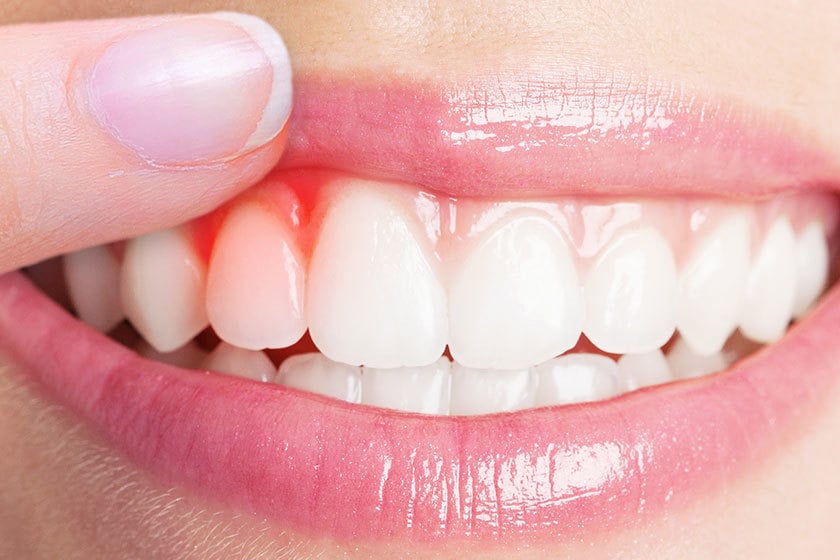
Gum Treatment
Get information about tooth and gum treatment, procedure process, treatment prices, pre- and post-operative and recovery process. Make a gum appointment.
What is Gum Treatment?
In order to protect the health obtained as a result of gum treatment or to maintain the health of gums that are not yet diseased, you need to adapt oral hygiene procedures into your life.
Have your regular teeth cleaned by your dentist (once every 6-12 months).
Change the brush recommended by your dentist every 3-4 months.
You may need to use an electric toothbrush to increase your cleaning efficiency with the advice of your dentist.
Brush your teeth properly morning and evening, if you can, you can brush briefly after every meal and snack.
Use dental floss every day.
You can get mouthwash support to reduce bacterial plaque.
Use your interdental brush every day after treatment if your dentist recommends it.
You should know that mouthwashes and other chemicals can never replace toothbrushes and dental floss.
Things to Know About Dental Treatment
Protection of oral health; It covers all stages from diagnosis to treatment planning and final results. Function, phonation (speech) and esthetics constitute an entirety of oral health. After diagnosis is made with radiological imaging methods, the patient is directed to departments such as tartar cleaning, prosthetic restoration, filling, root canal treatment, orthodontics and surgery according to their needs. White (teeth) and pink esthetics (gums) are evaluated together. Therefore, while brushing, the gums should be brushed together with the teeth. It is necessary to place our toothbrush in the area where the tooth and gum meet and brush with circular movements. This circular movement continues by changing places as many times as the number of teeth the brush can clean. Not only the front surfaces but also the back surfaces of the teeth should be brushed in this way. A toothbrush is insufficient in cleaning the interfaces. Therefore, dental floss should be used. The process of achieving the desired smile can be a comprehensive restoration that will spread over a long period of time, or it can develop in a way that results can be obtained in a few sessions in a short time, depending on the person’s preferences and problems. Components such as caries, yellowing, differences in tooth lengths, and problems in the gums have formed over time, but they are problems that can be corrected in a few sessions.
What is Aesthetic Dental Health?
Aesthetic dentistry; In some cases, there may be aesthetic problems that cannot be treated with fillings. In such cases, metal-supported or metal-free (empress, inceram, zirconia) crowns (coatings) can be made. Sometimes, more conservative treatments can be made by removing a certain thickness of dental tissue from the front surface of the tooth, which we call laminate, to solve aesthetic problems in the front area. Apart from these, a new smile design can be obtained by restoring the spaces between the teeth (diastema) with special aesthetic filling materials without cutting the teeth. One of the latest applications of aesthetic dentistry is metal-free full ceramic crowns (coatings). It is a preferred treatment method for cracked, broken and teeth with excessive material loss. Full ceramics, which can imitate teeth with their light transmittance, are the most preferred prosthetic materials today due to their natural and aesthetic appearance.